







Search Results for: SOE Espresso
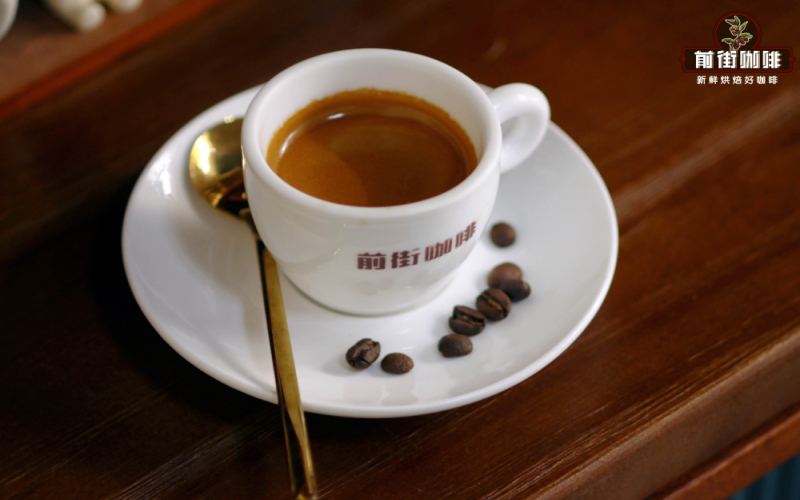
What exactly does SOE coffee refer to? Why is it priced higher than blends? Is it worth paying extra to upgrade Americano or Latte to SOE?
Walking into any specialty coffee shop, you can always spot SOE on the menu, often priced noticeably higher than regular espresso drinks. SOE stands for Single Origin Espresso—espresso extracted directly from coffee beans of one specific origin. It takes a completely different path from blended beans: the former emphasizes the pure expression of a region's flavor, while the latter pursues consistency and balance. An espresso machine amplifies the beans' own character, so not all single-origin beans are suited for SOE—roast level, extraction parameters, and freshness all influence the final flavor. This article will start from the definition of SOE, its pros and cons, its differences from coffee blends, and the extraction recipes for two Front Street Coffee SOE beans, to help you make a clearer judgment before paying extra to switch to SOE. [more…]
SOE Single-Origin Espresso: A Detailed Guide to Flavor Characteristics, Suitable Drinks, and Extraction Parameters
SOE stands for Single Origin Espresso, which is espresso made from a single-origin coffee. It involves using single-origin beans typically used for pour-over and extracting them under high pressure in an espresso machine, resulting in espresso with amplified flavors. Due to factors such as roast level, grind size, and changes in bean crop year, the consistency of SOE output is difficult to control, so beans that can highlight the basic flavors of their region are usually chosen. This article will introduce the concept of SOE, its flavor characteristics, suitable drinks to make with it (Americano, latte, etc.), and use "Front Street · Huakui" as an example to share specific extraction parameters and preparation process, helping coffee enthusiasts more clearly understand the methods and charm of SOE. [more…]
SOE Single-Origin Espresso Flavor Characteristics and Beverage Applications: A Complete Guide from Espresso Extraction to Americano and Latte Preparation
SOE stands for Single Origin Espresso, which means espresso made from a single-origin coffee. In recent years, this method of extracting single-origin beans through high-pressure espresso machines has gradually entered the视野 of coffee enthusiasts. Unlike conventional espresso blends, SOE can highlight the true flavors of its region, but its consistency places extremely high demands on the barista. This article will address the definition of SOE, its flavor characteristics, and the types of drinks it is suited for one by one, and, using Front Street Coffee's Huakui SOE as an example, share the specific parameters and extraction process for iced Americano and latte, helping readers gain a comprehensive understanding of this coffee category. [more…]
A Complete Guide to SOE Coffee: Definition, Characteristics, Pricing Rationale, Espresso Extraction Parameters, and Americano & Latte Ratios
SOE stands for Single Origin Espresso, and it has become increasingly popular in recent years amid the espresso boom. This article will help you clarify the definition and characteristics of SOE, explain why it costs more than ordinary espresso, and analyze its advantages of pure flavor and clear layers, as well as its difficulties such as the challenge of nailing the roast level and obvious batch variations. It will also introduce the blending logic of espresso blends, and include espresso extraction parameters for blends such as Front Street Strawberry Candy and for Huakui SOE and Ethiopian Konga SOE, along with the water-to-coffee and milk-to-coffee ratios for making Americanos and lattes with SOE, helping you consistently produce a good cup of coffee at home. [more…]
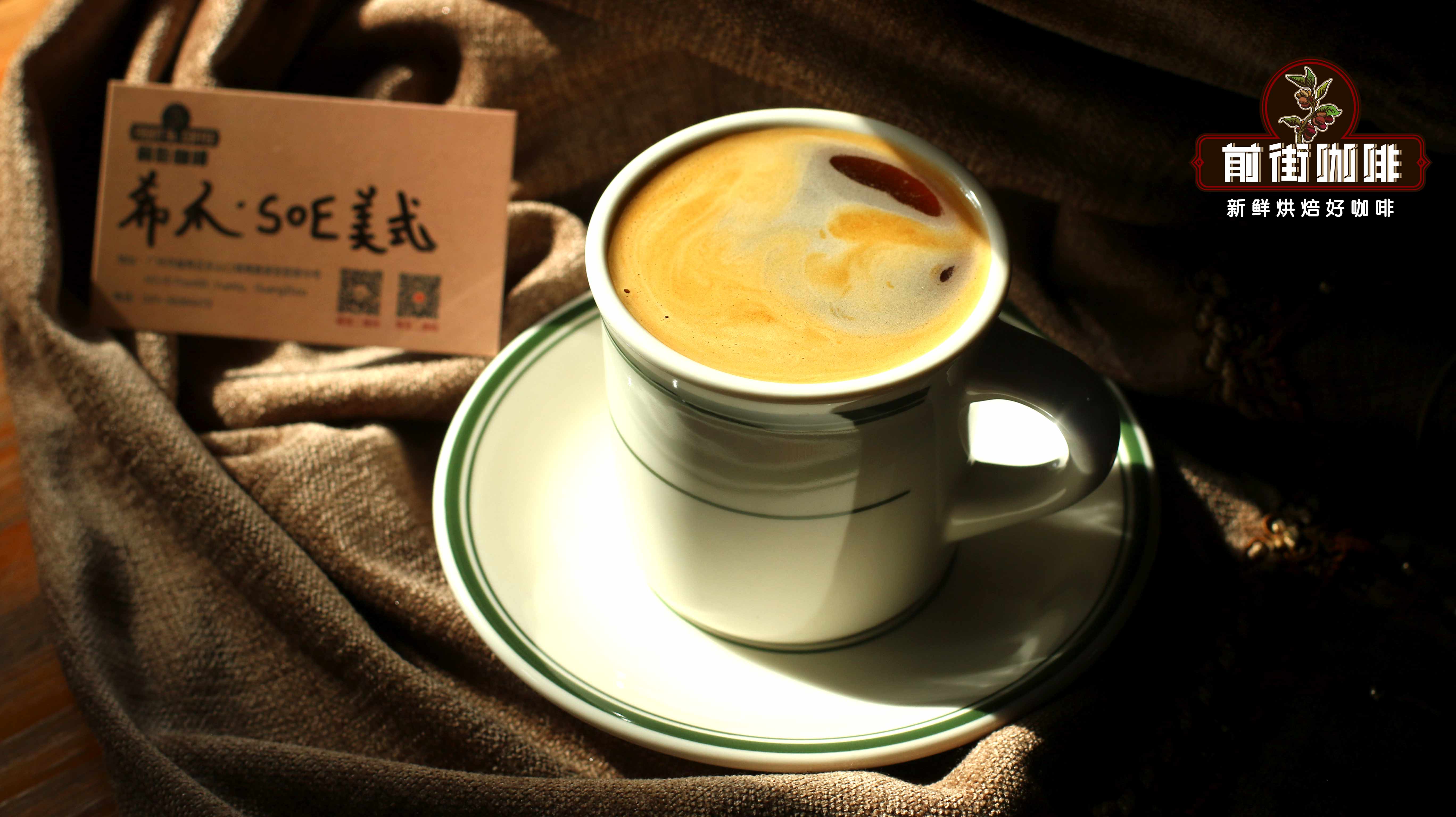
SOE Single-Origin Espresso | Are SOE Beans Just Single-Origin Beans? How to Adjust the Coffee-to-Water Ratio, Time, and Grind Size When Extracting Espresso from SOE Coffee Beans?
Many friends who have drunk coffee may not necessarily understand or even have heard of SOE coffee, but seasoned coffee connoisseurs certainly know about SOE coffee. Doesn't it seem that when SOE coffee is mentioned, friends who are new to coffee or even new to espresso coffee don't quite understand it, yet SOE sounds like it's pretty high-end? [more…]
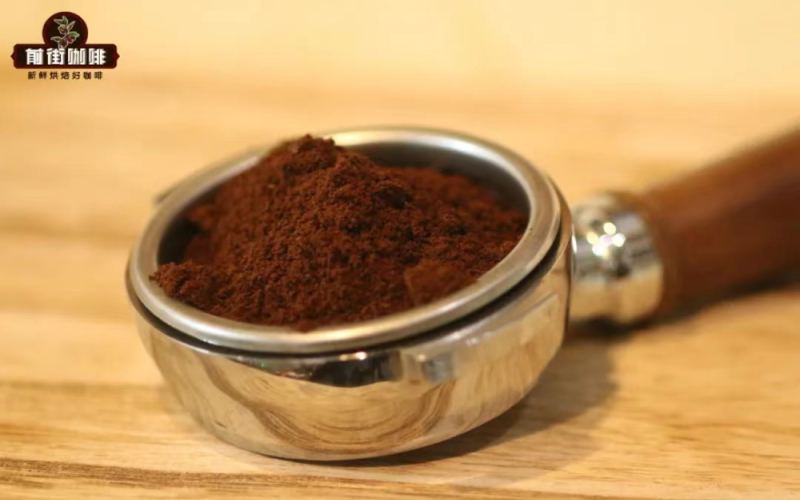
What Is SOE Single-Origin Espresso? Flavor Performance and Bean Selection Tips for Making Espresso with Yirgacheffe Single-Origin Beans
In the specialty coffee world, pour-over usually uses single-origin beans, while espresso mostly uses blends. But can single-origin beans be used to make espresso? The answer is yes—this practice is called SOE (Single Origin Espresso). Because the high-pressure extraction of an espresso machine amplifies the flavor characteristics of the coffee beans, SOE can both highlight origin personality and easily expose flaws. In this article, Front Street Coffee will systematically explain the definition of SOE, its differences from blends and pour-over single-origin beans, key points of roasting and extraction, and recommend coffee beans suitable for making SOE, such as Yirgacheffe Natural Red Cherry, along with specific extraction parameters and flavor descriptions. [more…]
A Complete Guide to SOE Single-Origin Espresso: Flavor Characteristics, Extraction Parameters, and Americano Taste Comparison
SOE (Single Origin Espresso) refers to espresso made from coffee beans of a single origin, which highlights regional flavors. From the perspective of Front Street Coffee, this article outlines the definition, development history, advantages and disadvantages of SOE, and, using the Yirgacheffe natural Red Cherry as an example, provides specific extraction parameters: 20g dose, 28s time, 40g espresso yield, and 150ml hot water, comparing the taste differences between SOE espresso and SOE americano. Whether you want to understand why SOE has become popular in China in recent years, or want to try making espresso with single-origin beans, this article offers a clear reference. [more…]
SOE Coffee Flavor Characteristics | What Is SOE? Which Coffee Beans Are Suitable for SOE Espresso? Does Ethiopian Yirgacheffe SOE Americano Taste Good?
Nowadays, when you go to a specialty coffee shop, you can always see espresso drinks made with SOE (Single Origin Espresso) on the recommended menu. Is espresso made from single-origin coffee beans necessarily better tasting than espresso made from a blend? Which single-origin coffee beans are suitable for making espresso? In this article, Front Street will answer these questions one by one. [more…]
Is SOE Coffee the Same as Single-Origin Black Coffee? Explaining the Meaning of Americano SOE and a Guide to Choosing Espresso Beans
When ordering at a coffee shop, you may often see SOE latte or SOE americano options, but what exactly does SOE mean? Is it equivalent to single-origin black coffee? This article starts with the definition of SOE, sorts out its differences from traditional blend beans, explains SOE's characteristics and difficulties in extraction, and recommends three Front Street single-origin coffee beans suitable for making espresso, helping you better understand and choose SOE espresso beans. [more…]
What makes single-origin espresso (SOE) unique? Can a home espresso machine make SOE Americanos and lattes?
In coffee shops, you may often hear about SOE lattes or SOE americanos, which refer to drinks made with espresso extracted from single-origin coffee beans as the base. SOE and blend beans each have their own strengths and weaknesses in terms of flavor expression and extraction difficulty. This article will start with a conceptual analysis to explain why SOE cannot be called blend beans, how blend beans achieve balance through complementarity, and further analyze the advantages of SOE in amplifying origin flavors and the challenges in extraction. Then, using Front Street. Mozart SOE as an example, it shares specific extraction parameters and operational procedures, including dose, yield, time, and grind setting, and finally offers suggestions for drinking it straight, making an americano, or a latte, helping coffee enthusiasts gain a more comprehensive understanding of SOE. [more…]
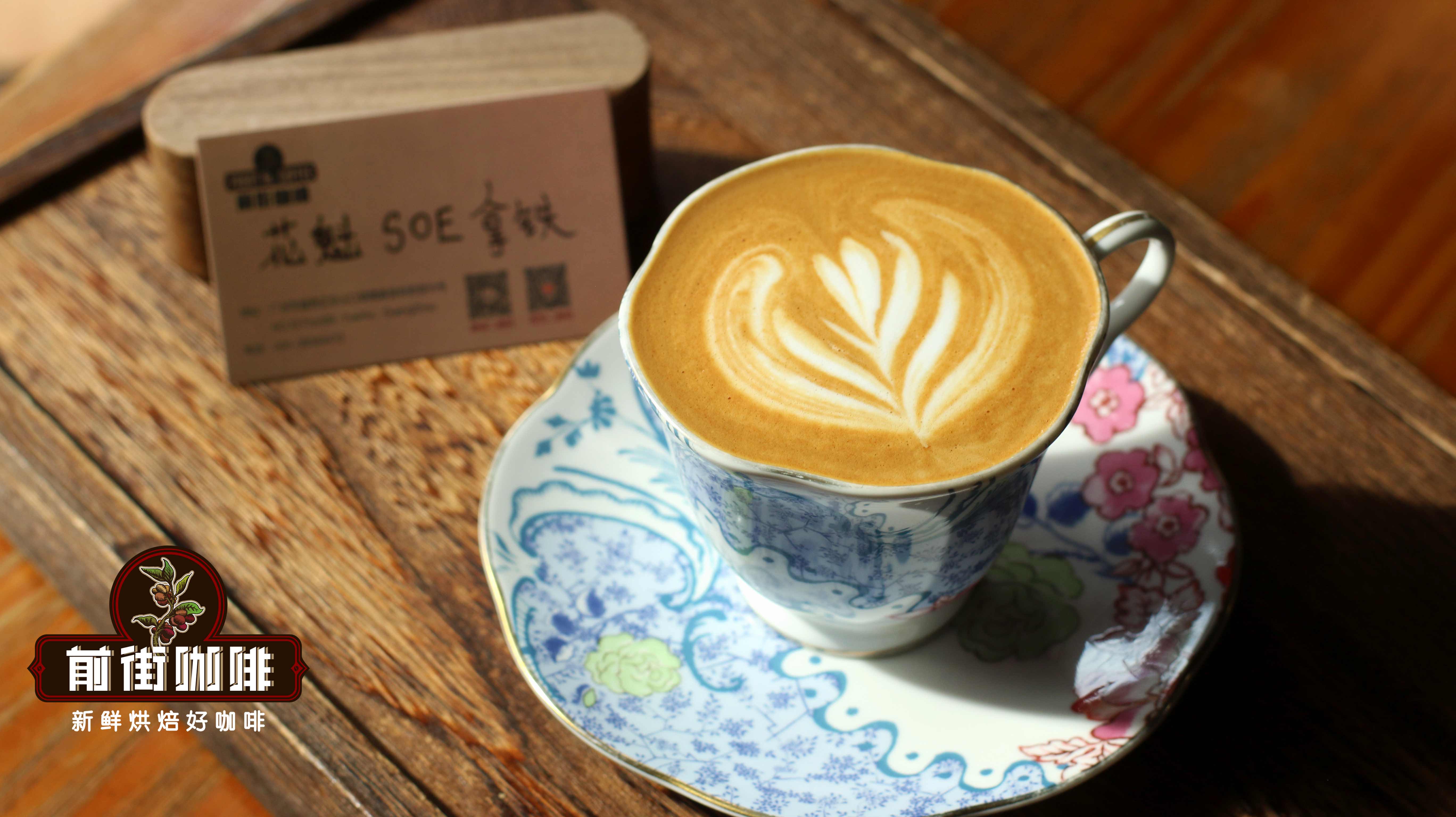
SOE Espresso Flavor Analysis: Single-Origin Beans vs. SOE Differences and Suitable Coffee Bean Selection
SOE (Single Origin Espresso) refers to espresso made from a single origin of coffee, and in recent years it has entered the public eye along with the specialty coffee wave. Many coffee enthusiasts often ask why Front Street Coffee does not offer SOE drinks, and behind this lie considerations of output consistency and flavor control. Starting from the definition of SOE, this article will analyze its essential differences from single-origin coffee, explain how high-pressure extraction amplifies the flavor characteristics of a producing region, and explore the types of coffee beans suitable for making SOE—such as distinctive African natural beans or specially processed beans from Central and South America. At the same time, the article will also sort out practical points such as roasting curve settings, extraction parameter adjustments, and milk ratio pairing, to help readers fully understand the charm and limitations of SOE coffee. [more…]

What Is SOE Espresso? What Are the Advantages of SOE Coffee? An Introduction to SOE Single-Origin Espresso Extraction Time, Coffee-to-Water Ratio, and Water Temperature
For more specialty coffee knowledge, please follow the WeChat public account: Front Street Coffee (FrontStreet Coffee). Many friends who have drunk coffee may not necessarily understand or even have heard of SOE coffee, but seasoned coffee connoisseurs certainly know SOE coffee. Is it that when it comes to SOE coffee [more…]
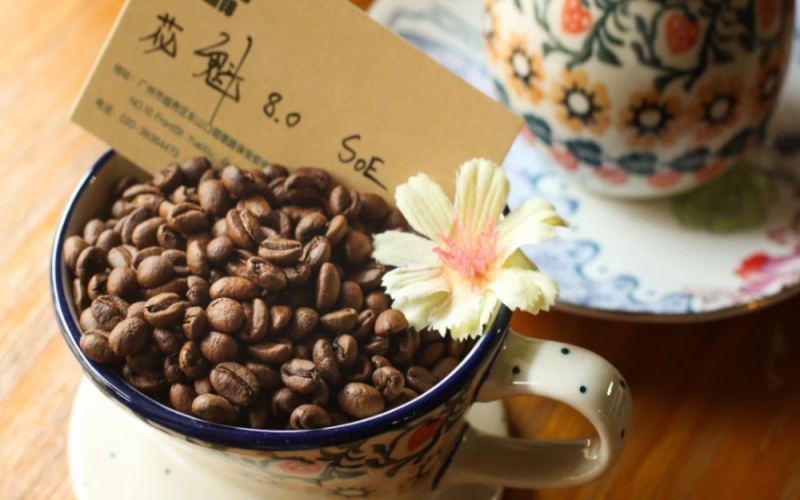
SOE Single-Origin Espresso Fully Explained: Bean Selection and Roasting Key Points, Plus a Flavor Comparison of Brazil and Mandheling
In recent years, the specialty coffee world has seen a surge in popularity for SOE espresso, and many coffee enthusiasts have come to Front Street Coffee asking whether SOE is available. Front Street's current espresso beans are a blend of Natural Red Cherry and Honduras Sherry, and no SOE product has been launched yet. So what exactly is SOE? How does it differ fundamentally from traditional espresso blends? Does simply taking a filter single-origin bean and pulling it as espresso count as SOE? Which coffee beans are truly suitable for making SOE? In this article, Front Street will explore these core questions in detail and share the specific extraction parameters and flavor performance of beans such as Yirgacheffe and Honduras Sherry when made into SOE, while also discussing the respective characteristics of Brazil and Mandheling coffee. [more…]
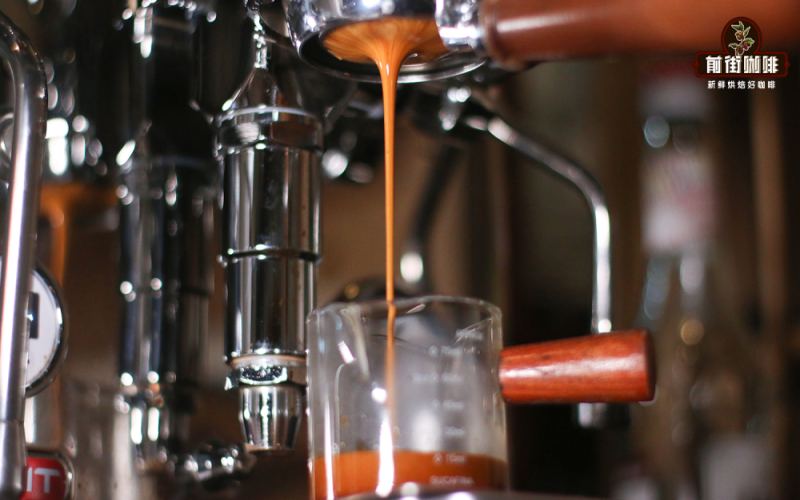
SOE Espresso Flavor Characteristics | What Is the Difference Between Italian Blend Beans and SOE Single-Origin Coffee? Is SOE Coffee Better Tasting Than Traditional Italian Coffee?
For more specialty coffee knowledge, please follow our WeChat public account: Front Street Coffee (FrontStreet Coffee). With the advancement of coffee specialization, SOE has gradually become popular. So what is SOE? Is SOE coffee tastier than blended coffee? Now Front Street Coffee (Fron [more…]
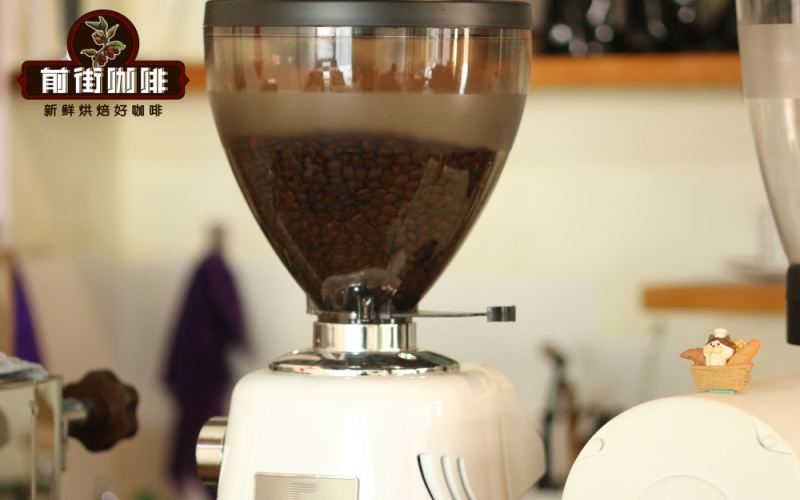
SOE Single-Origin Espresso Full Analysis: From Reasons for Its Popularity to Home Brewing Parameters and Buying Tips
In recent years, SOE coffee has been appearing frequently in major coffee shops, and many people's first question upon entering is whether they have SOE. What kind of coffee is it exactly? What are the essential differences between it and traditional espresso blends? Why do SOE lattes and SOE iced Americanos taste sour? From the perspective of Front Street Coffee, this article sorts out the origins and popularity logic of SOE, analyzes the reasons behind the stereotypes of espresso coffee, and provides the extraction parameters and hot latte preparation methods for Front Street's two SOE bean versions. Finally, it reminds readers of the importance of roasting curves and freshness when purchasing SOE beans, helping coffee enthusiasts make a delicious cup of SOE Americano or latte at home. [more…]

SOE Espresso Beginner's Guide: Flavor Characteristics of Single-Origin Espresso and the Yirgacheffe Red Cherry Case Study
In the specialty coffee world, pour-over usually uses single-origin beans, while espresso mostly uses blends. So can single-origin beans be used to make espresso? The answer is yes—this form is called SOE (Single Origin Espresso). In this article, Front Street Coffee will guide you through the definition of SOE, its flavor characteristics, the differences between SOE and blends as well as pour-over single-origin beans, and analyze why SOE output consistency is difficult to control. At the same time, Front Street will also share ideas for choosing coffee beans suitable for making SOE, and use Ethiopia Yirgacheffe Natural Red Cherry as an example to provide specific extraction parameters and flavor descriptions, helping you understand this unique coffee category more comprehensively. [more…]
Introduction to SOE Coffee Beans | Is SOE Coffee the Same as Specialty Coffee? What Are the Advantages and Disadvantages of SOE Coffee? What Are the Key Points for Making SOE Single-Origin Espresso?
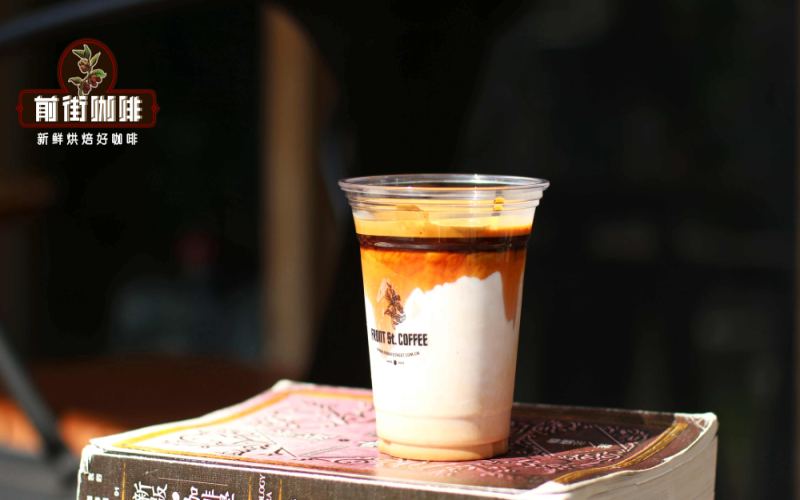
For more specialty coffee knowledge, please follow the WeChat official account: Front Street Coffee (FrontStreet Coffee). What is SOE coffee? SOE is the abbreviation of Single Origin Espresso, which means single-origin espresso. Its focus is to highlight [more…]
Why Is Single-Origin Espresso (SOE) So Popular? A Full Breakdown of Light vs. Dark Roast Differences, Americano and Latte Taste, and Key Buying Tips
In recent years, SOE coffee has become increasingly common in coffee shops, and many customers ask whether there is SOE the moment they walk in. SOE stands for single origin espresso, referring to espresso extracted from single-origin coffee beans, as opposed to blended beans. Its popularity is not just a matter of a new term, but represents a shift in espresso from the traditional heavily roasted, bitter, and thick style toward a flavor-focused approach. This article begins with the definition of SOE, the background of its rise, and its differences from blended beans, explains why espresso beans require a dedicated roasting curve, and shares the extraction parameters for Front Street Coffee's sun-dried Huakui SOE, the preparation ratios for Americano and latte, and the freshness and roast level issues to watch out for when buying SOE beans. [more…]
How Does SOE Single-Origin Espresso Differ from Espresso Blends? From Flavor Characteristics to Front Street Coffee Bean Recommendations
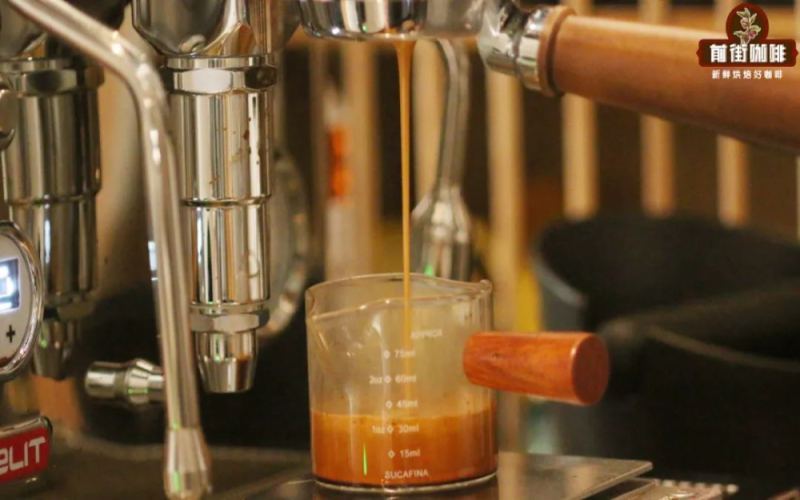
SOE stands for Single Origin Espresso. It differs noticeably from traditional Italian blends in terms of flavor logic, roasting orientation, and extraction difficulty. From the perspective of Front Street, this article sorts out the definition, advantages, and production challenges of SOE, compares it with blended coffee beans, and offers specific SOE bean recommendations for three flavor directions—fresh and sweet, nutty and balanced, and rich with no acidity—such as Front Street Sun-Dried Red Cherry, Brazil Queen Estate Yellow Bourbon, and PWN Golden Mandheling. It also answers the question of whether high-quality SOE coffee beans can be used for pour-over, helping coffee enthusiasts gain a more comprehensive understanding of the relationship between single origin espresso and pour-over. [more…]
Can Kenyan single-origin beans be made into SOE espresso? A complete practical guide from bean selection to extraction
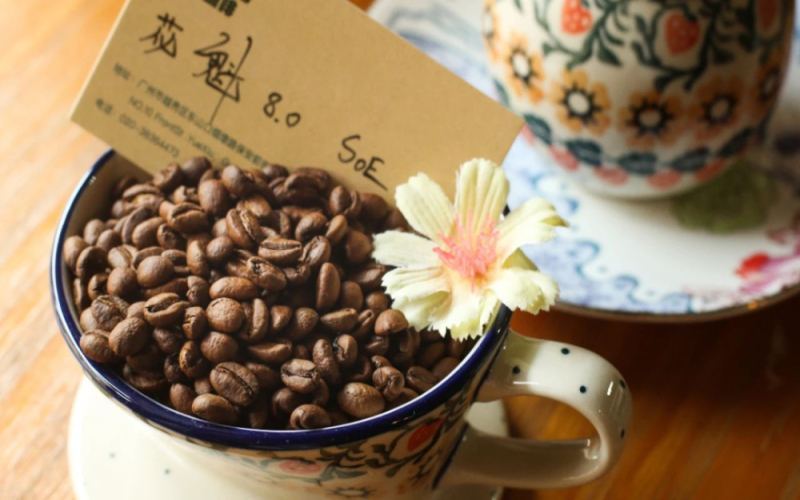
In recent years, SOE espresso has become increasingly common in specialty coffee shops, but many people mistakenly believe that simply putting single-origin beans into an espresso machine will produce a delicious cup of SOE. In fact, single-origin espresso has stricter requirements for bean selection, roasting curves, and extraction parameters. Starting from the store practices of Front Street Coffee, this article explains the essential difference between SOE and blended espresso, clarifies why not all single-origin beans are suitable for SOE, and, using Kenya cherry coffee beans as an example, provides a complete extraction plan including dose, yield, ratio, and time, helping coffee lovers make a cup of single-origin espresso with clear flavor at home. [more…]